

Military Drone Market – Modern defense strategies are undergoing a major transformation as military forces worldwide increasingly rely on unmanned technologies to strengthen surveillance, improve operational efficiency, and enhance mission success rates. Drones are no longer confined to reconnaissance roles; they have become integral components of combat support, intelligence gathering, border protection, logistics, and maritime monitoring. As geopolitical tensions rise and defense modernization programs accelerate, opportunities are expanding rapidly across aerial, ground, and naval platforms. These developments are creating new growth avenues for manufacturers, software providers, and defense agencies seeking smarter and more connected battlefield solutions.
Growing Defense Budgets Are Accelerating Drone Deployment
Defense organizations across developed and emerging economies are significantly increasing investments in next-generation technologies. Governments are prioritizing modernization initiatives that improve intelligence capabilities, reduce operational risks, and strengthen national security infrastructure. Unmanned systems offer cost-effective alternatives to conventional manned missions while improving operational flexibility.
Increasing military budgets have encouraged procurement programs focused on autonomous systems capable of operating in complex environments. Nations are investing in tactical drones, surveillance systems, and long-range autonomous vehicles that can support diverse missions. This investment environment is creating substantial momentum for innovation and market expansion across multiple defense sectors.
How Air-Based Military Drones Are Transforming Modern Warfare
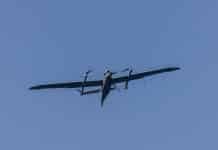
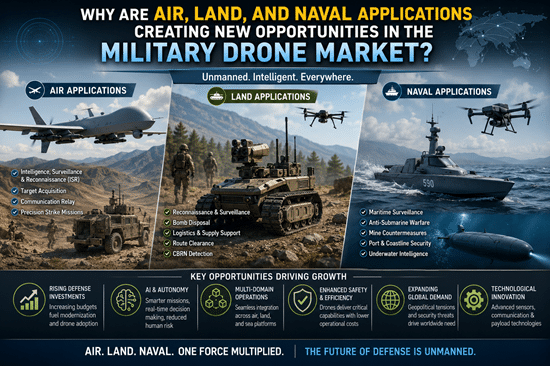
Airborne drones remain the most visible and widely adopted category within defense operations. Modern aerial systems support surveillance, target acquisition, communication relay, and tactical strike missions. Their ability to gather real-time intelligence while minimizing human risk has transformed military planning and execution.
Advanced technologies such as artificial intelligence, edge computing, and machine learning are making airborne drones more capable than ever before. Autonomous navigation systems and improved sensor integration enable aircraft to perform missions with minimal operator intervention. These capabilities are increasing efficiency while supporting complex operations across diverse terrains.
Air-based platforms are also becoming more specialized. Small tactical drones are being deployed for rapid reconnaissance, while larger unmanned aerial vehicles are designed for endurance missions and strategic intelligence gathering. As demand rises for smarter airborne systems, the Military Drone Market continues to witness increased innovation and competition among manufacturers.
Why Ground-Based Drones Are Creating New Tactical Advantages
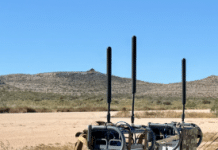
Ground drones are rapidly emerging as critical tools for military forces operating in high-risk environments. These unmanned ground vehicles are designed for missions that involve bomb disposal, reconnaissance, logistics support, and hazardous material detection.
One of the biggest advantages of ground systems is their ability to operate in dangerous zones without exposing personnel to unnecessary risks. Military organizations are increasingly deploying robotic vehicles in urban warfare scenarios, tunnel inspections, and contested territories where human movement may be restricted.
Autonomous mobility technologies are further expanding the capabilities of ground systems. Enhanced navigation tools, obstacle avoidance systems, and sensor integration allow robotic platforms to move independently through complex environments. These technological improvements are opening new opportunities for deployment across defense applications.
Naval Drone Applications Are Reshaping Maritime Security
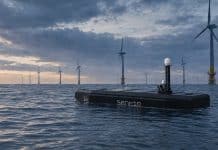
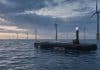
Maritime defense has become a major focus area for unmanned technology adoption. Naval forces face growing challenges related to border security, underwater surveillance, anti-submarine warfare, and protection of strategic waterways. Autonomous naval platforms are increasingly being used to address these challenges.
Unmanned surface vehicles and underwater drones are providing enhanced situational awareness while reducing operational costs. These systems can patrol large areas continuously, collect valuable intelligence, and detect potential threats more efficiently than traditional systems.
Naval applications are especially important for countries seeking to protect maritime trade routes and offshore assets. As ocean security becomes increasingly important, autonomous maritime technologies are expected to become a larger component of defense modernization strategies.
Artificial Intelligence Is Redefining Autonomous Defense Systems
Artificial intelligence has become one of the strongest forces driving innovation across drone platforms. AI-powered systems enable faster decision-making, improved target identification, and more efficient mission execution.
Machine learning algorithms help drones process massive volumes of information in real time, allowing military operators to respond quickly to changing battlefield conditions. Computer vision systems support object detection and threat recognition capabilities, improving operational effectiveness across air, land, and sea applications.
Autonomous decision-making capabilities are also expanding. Future systems are expected to perform increasingly complex missions independently while maintaining coordination with other defense assets through connected battlefield networks.
Rising Demand for Multi-Domain Operations Is Creating New Opportunities
Modern defense strategies increasingly emphasize multi-domain operations where air, land, cyber, and maritime assets work together simultaneously. Drones play an essential role in enabling these coordinated missions because they provide real-time information sharing and operational flexibility.
Interoperability between different systems is becoming a priority for defense agencies. Platforms capable of sharing intelligence across multiple environments can significantly improve mission outcomes and reduce response times.
The integration of multiple drone categories into unified operational frameworks is expected to create long-term growth opportunities. According to insights highlighted by Persistence Market Research, multi-domain defense operations are becoming a major focus area for governments seeking more agile military capabilities.
Challenges That Could Influence Future Market Expansion
Despite rapid technological advancement, several challenges remain. Cybersecurity risks continue to be a concern because autonomous systems depend heavily on communication networks and data transmission. Vulnerabilities in these networks can create operational risks.
Regulatory restrictions and export controls may also affect international adoption. Defense procurement cycles are often lengthy, creating barriers for smaller manufacturers attempting to enter the market.
Cost remains another important factor. Although drones can reduce operational expenses over time, advanced autonomous systems often require substantial upfront investments in hardware, software, and training.
The future of autonomous defense systems appears increasingly interconnected, and technology driven. Advances in AI, sensor fusion, battery technologies, and communication networks will continue expanding the capabilities of unmanned platforms across multiple domains.
Growing demand for intelligence gathering, border security, and strategic surveillance will likely sustain long-term expansion opportunities. As highlighted by Persistence Market Research, organizations focusing on innovation, interoperability, and autonomous capabilities are expected to benefit most from evolving defense priorities.
As military operations become increasingly data-driven and network-centric, the Military Drone Market is positioned to evolve beyond traditional surveillance applications into a critical component of future warfare strategies.