

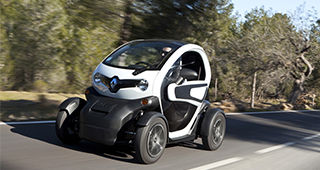
As global cities grapple with congestion, rising emissions, limited parking infrastructure, and growing demand for efficient urban mobility, micro electric vehicles (micro EVs) are emerging as a powerful solution reshaping how people and goods move. Compact, energy-efficient, and incredibly versatile, these small electric vehicles are gaining rapid traction across Asia, Europe, and North America, marking a structural transformation in the Micro EV Market. With governments pushing toward cleaner mobility and consumers seeking affordable electric alternatives, micro EVs have become central to the smart city transition. According to insights from Fairfield Market Research, the shift toward low-carbon transport systems, smart infrastructure, and connected mobility ecosystems positions micro EVs as one of the fastest-rising segments of urban electrification.
Why Micro EVs Fit Perfectly into the Smart City Mobility Framework
Smart cities are built on the idea of optimizing urban spaces, reducing emissions, and improving mobility efficiency. Micro EVs align perfectly with this vision because they occupy significantly less road space, minimize energy consumption, and integrate smoothly with intelligent traffic systems. Their compact size allows them to navigate dense urban corridors where traditional vehicles struggle, reducing congestion and enabling faster short-distance travel. They also fit seamlessly into parking-constrained areas due to their smaller footprint, allowing cities to reclaim land often lost to oversized vehicle infrastructure. As smart cities increasingly deploy IoT-driven traffic management systems and digital maps, micro EVs become even more effective, moving fluidly through optimized routes designed for speed and sustainability.
The Economic Advantage: Why Micro EVs Cost Less to Operate and Maintain
One of the biggest advantages of micro electric vehicles is their cost-effectiveness. Traditional vehicles carry high maintenance costs due to complex engines, fuel systems, and mechanical components. Micro EVs, however, operate on simplified electric motors with fewer moving parts, reducing repair and servicing requirements dramatically. Their lightweight structure increases battery efficiency, enabling longer range per charge at a fraction of the cost. For urban commuters, gig workers, and delivery operators, this creates substantial savings over time. The Micro EV Market has also seen significant improvements in battery technology, bringing down costs while increasing performance, durability, and safety. These economic benefits make micro EVs especially appealing to developing and emerging economies where affordable mobility is essential for livelihood and productivity.
Sustainability at the Core: How Micro EVs Support Low-Carbon Urban Transitions
With cities accounting for over 70% of global CO₂ emissions, sustainable mobility is no longer an option but a necessity. Micro EVs deliver immediate environmental benefits by reducing tailpipe emissions to zero and lowering the overall carbon footprint associated with transportation. Their small battery size requires fewer raw materials, making them more sustainable to manufacture compared to full-sized electric cars. They consume significantly less electricity per kilometer, making them ideal for cities transitioning to renewable-powered grids. By encouraging micro EV adoption, municipal governments can quickly reduce pollution levels, improve air quality, and advance climate goals without the need for massive infrastructure investments.
First-and-Last Mile Connectivity: The Missing Link Solved by Micro EVs
A major challenge in modern cities is bridging the gap between public transportation hubs and residential or commercial destinations. Micro EVs solve this first-and-last mile dilemma by offering quick, flexible, and zero-emission mobility options that complement public transit systems. Riders can seamlessly switch between metros, buses, and micro EVs, creating a fully integrated multimodal mobility ecosystem. This enhances convenience, reduces reliance on private cars, and improves overall urban transport efficiency. Delivery platforms also benefit tremendously, as micro EVs allow logistics providers to reach narrow lanes, gated communities, and high-density urban pockets with ease, boosting last-mile productivity.
Smart Charging and Energy Optimization: Micro EVs Accelerate the Shift Toward Intelligent Energy Systems
Another reason micro EVs are transforming smart cities is their compatibility with decentralized and intelligent energy infrastructures. Unlike larger electric vehicles that require high-capacity chargers, micro EVs can operate effectively on low-voltage charging systems found in homes, offices, and community spaces. This reduces strain on the grid and allows energy planners to manage demand more efficiently. Cities can pair micro EV charging with rooftop solar installations, smart meters, and AI-driven energy management tools to create flexible, cost-effective charging networks. The Micro EV Market is also evolving to include swappable battery systems, enabling instant recharging solutions that eliminate downtime and further enhance operational convenience.
Urban Logistics Revolution: Micro EVs Strengthen the Future of E-Commerce and Delivery
The rapid rise of e-commerce has placed immense pressure on city logistics. Large delivery vehicles struggle with traffic, parking shortages, and regulatory restrictions in dense urban zones. Micro EVs are emerging as the ideal alternative for last-mile delivery because they are agile, quiet, and capable of accessing areas that vans and trucks cannot reach. Delivery companies are increasingly adopting micro EV fleets for parcels, groceries, food delivery, and quick-commerce operations. Their low operating cost and ability to maneuver through tight spaces make them indispensable for time-sensitive deliveries. This shift also reduces noise pollution, road congestion, and emissions, supporting smarter, cleaner logistics ecosystems.
Integration with Connected Technologies: The Rise of Intelligent Micro Mobility
Smart cities thrive on data-driven mobility solutions, and micro EVs integrate seamlessly with this vision. Modern micro electric vehicles can be equipped with GPS, IoT sensors, telematics, remote diagnostics, and real-time tracking systems. These technologies allow fleet operators to monitor battery health, optimize routes, reduce downtime, and enhance safety. Integration with 5G networks enables micro EVs to communicate with traffic signals, street sensors, and cloud-based urban mobility platforms. This connected ecosystem unlocks next-level efficiency, making micro EVs a core component of intelligent transportation systems. As autonomous driving evolves, micro EVs could be among the first vehicle categories to adopt small-scale autonomous capabilities for short-route urban services.
Policy Support and Incentives: Governments Fast-Tracking the Micro Mobility Movement
Governments worldwide recognize the importance of micro EVs in achieving sustainability and mobility goals. Many are offering tax benefits, registration discounts, scrappage incentives, and subsidies to encourage adoption. Infrastructure upgrades such as designated parking zones, micro-mobility lanes, shared mobility hubs, and low-speed urban corridors are making micro EV usage easier and safer. Fairfield Market Research highlights that policy-driven support will remain one of the biggest catalysts behind global Micro EV Market expansion, especially as cities commit to carbon neutrality and congestion reduction targets.
Micro EVs Will Define the Future of Smart Urban Transportation
Micro electric vehicles are more than just compact mobility solutions—they represent a fundamental shift in how cities function, connect, and evolve. Their affordability, efficiency, sustainability, and technological compatibility make them an essential building block of modern smart cities. As demand accelerates and innovation continues, micro EVs are poised to redefine transportation landscapes across the world. For policymakers, fleet operators, commuters, and city planners, the rise of the Micro EV Market offers an unprecedented opportunity to create cleaner, safer, and smarter urban environments.